

Understanding the Psychology of Casino Design
The design of a casino is not merely an aesthetic endeavor; it plays a crucial role in influencing player behavior and engagement, making it essential to explore options like the best fast withdrawal casino . This psychological perspective emphasizes how elements such as lighting, color schemes, and spatial arrangement can elicit specific emotions, prompting players to spend more time and money. For example, warm colors, like reds and oranges, tend to create an inviting atmosphere that can make players feel more comfortable and willing to engage. Conversely, cooler tones, such as blues and greens, can evoke calmness, potentially leading to longer stays, as players feel relaxed in their surroundings. By strategically utilizing these psychological triggers, casinos can effectively attract players and enhance their overall gaming experience.
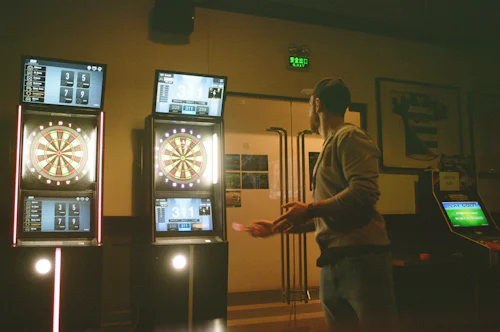
In addition to color choices, the layout of the casino is meticulously designed to encourage exploration and movement. The positioning of various gaming options, dining establishments, and entertainment venues can significantly influence player behavior. Often, a maze-like design encourages players to wander through different areas, minimizing the perceived distance to their favorite games. This design strategy can lead to players losing track of time, as they become engrossed in their surroundings, ultimately increasing their gambling activity and, consequently, their spending. The psychology behind this design principle showcases how thoughtful placement can turn casual visitors into long-term players.
Moreover, the auditory elements within a casino are just as important as visual aesthetics. The combination of sounds from slot machines, the cheers of winners, and upbeat music creates an immersive environment that enhances the overall gaming experience. This sensory stimulation can lead to a psychological phenomenon known as the ‘near-miss’ effect, where players feel they are close to winning, thus encouraging them to continue playing. By understanding these psychological dimensions, casinos can craft environments that maximize player engagement and satisfaction, ultimately driving revenue growth.
The Role of Space and Layout in Player Experience
The physical layout of a casino plays a vital role in determining how players navigate and interact with the space. A well-designed casino minimizes congestion, allowing for smooth movement and easy access to different gaming areas. Wide pathways and strategically placed seating can foster social interactions, encouraging players to stay longer and engage more deeply with their surroundings. This careful arrangement not only enhances comfort but also creates a vibrant atmosphere that can make players feel more at ease, leading to increased spending and enjoyment.
Furthermore, creating distinct zones within a casino can significantly influence player retention and satisfaction. High-stakes areas may be separated from low-stakes sections, catering to a diverse range of player preferences and demographics. This segmentation not only enhances the overall experience by making players feel that they belong to their chosen environment but also allows casinos to target specific groups effectively. For instance, creating VIP lounges for high rollers can enhance their experience and encourage repeat visits, fostering loyalty among different player segments.
Visibility is another critical aspect of casino layout. Popular games are often placed in prominent locations to attract new players and generate excitement. By situating vibrant slot machines near entrances or high-traffic areas, casinos can capitalize on foot traffic and draw in potential players. Enticing visuals and clear signage can guide players throughout the space, increasing their likelihood of participation in various games. This strategic placement not only enhances the player experience but also boosts overall game participation rates, ultimately leading to increased revenue for the casino.
Lighting and Atmosphere: Creating the Perfect Ambiance
Lighting design is a fundamental aspect of creating the right atmosphere in a casino. Bright and dynamic lighting around gaming areas can encourage excitement and activity, while softer, more subdued lighting in relaxation zones provides a retreat for players. This balance between high-energy and calming spaces can significantly extend the duration of a player’s stay, as they transition between the thrill of gaming and the comfort of lounge areas. Effective lighting can create an inviting environment that keeps players engaged and encourages them to explore different offerings.
Additionally, the incorporation of neon lights and shimmering effects adds a layer of glamour and allure to the casino experience. This constant visual stimulation can evoke feelings of thrill and excitement, akin to a carnival atmosphere, which can be highly appealing to players. Such captivating lighting effects can also manipulate players’ perception of time, making hours feel like mere minutes. This time distortion can lead to prolonged gameplay, as players become engrossed in their experience and lose track of their external environment.
Moreover, managing natural light is an essential consideration in casino design. Many establishments opt for windowless environments to disconnect players from the outside world, effectively eliminating any awareness of the time. This design choice can facilitate extended gameplay, as players may lose track of when they entered the casino and how long they have been playing. By carefully controlling both artificial and natural light, casinos can craft immersive environments that keep players engaged and encourage them to continue their gaming sessions.
Influence of Amenities and Attractions on Player Behavior
Beyond gaming areas, the availability of various amenities significantly impacts player behavior and decisions. Well-placed bars, restaurants, and entertainment venues create an inviting ecosystem that encourages players to remain on-site longer. When players have access to quality dining options or captivating entertainment, they are more likely to extend their stays, leading to increased spending across different areas of the casino. This integration of amenities creates a holistic experience that enhances player satisfaction and loyalty.
Furthermore, blending gaming with non-gaming attractions is an effective strategy to elevate the player experience. For example, hosting live performances or events can draw significant crowds, creating a vibrant atmosphere that may lead to spontaneous gaming decisions. Players who enter the venue for entertainment may find themselves trying their luck at the tables, contributing to increased revenue for the casino. This synergy between gaming and entertainment can create a lively environment that keeps players engaged and encourages repeat visits.
Casinos that implement loyalty programs or offer complimentary services capitalize on amenities to foster player loyalty. When players feel rewarded for their time spent, through free meals, hotel accommodations, or exclusive event access, they are more likely to return. This relationship is rooted in a sense of value that the casino provides, making players feel appreciated and incentivized to come back for more experiences. By enhancing the overall player experience through amenities, casinos can cultivate a loyal customer base that contributes to long-term profitability.
Exploring Further: Insights and Resources
To gain a deeper understanding of the impact of casino design on player behavior, various resources and studies are available for exploration. Academic research often delves into the intersection of architecture and psychology, providing valuable insights into how different environmental elements contribute to player engagement. Industry reports and expert analyses can reveal emerging trends, enabling stakeholders to adapt their strategies effectively in response to current and future market dynamics.
For those interested in practical applications, many casinos are increasingly investing in optimization strategies and technologies that analyze player behavior in real-time. By studying movement patterns and preferences, designers can continuously refine casino layouts to align with player expectations and behaviors. This data-driven approach ensures that casinos can maintain a competitive edge, enhancing both player satisfaction and profitability in an ever-evolving industry.
Ultimately, understanding the multifaceted impact of casino design on player behavior is crucial for operators and designers alike. The right combination of psychological elements, spatial layout, ambiance, and amenities can profoundly shape the player experience, fostering loyalty and encouraging increased spending. By prioritizing these aspects, casinos can create inviting environments that not only attract guests but also encourage them to return time and again for an exhilarating experience.

